Excavator Bucket Rental - Heavy-Duty 12"
A 12-inch heavy-duty excavator bucket is a precision tool — it cuts exactly the trench the job needs for water line, sewer pipe, electrical conduit, and drainage installation without opening up three times the soil that has to go back in afterward. NorthPoint Equipment Rentals stocks the Heavy-Duty 12-inch bucket across all five New Hampshire locations, matched to compatible excavators already in the fleet, so contractors from Hooksett to Colebrook can pair it with the right machine and get the trench width the job spec calls for without compromise.
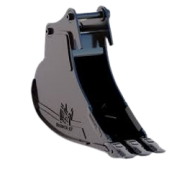
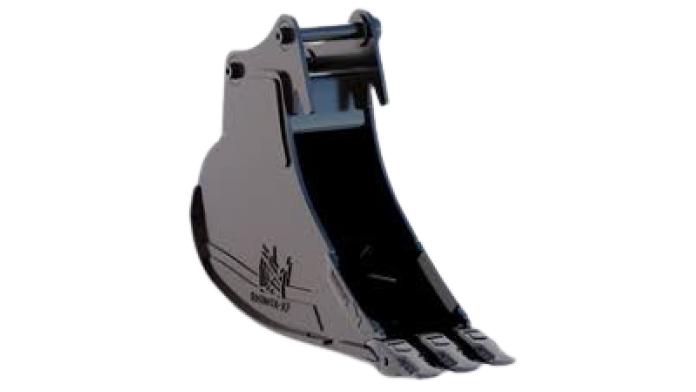
Description
What the Heavy-Duty 12" Bucket Brings to the Job
Precision Trench Width At 12 inches of cutting width, this bucket opens a trench sized to the work — not to whatever a standard bucket happens to produce on the machine you're running. Matching trench width to pipe or conduit diameter reduces excavated material volume, cuts backfill requirements, and keeps site disturbance to the minimum the job actually needs.
Heavy-Duty Construction The bucket shell, side cutters, and cutting edge are built for hard digging conditions — compacted glacial till, rocky subbase, and the kind of mixed soil that wears standard buckets quickly on New Hampshire job sites. Reinforced wear points and a heavy-duty cutting edge maintain digging performance across a full rental day in tough material without the deformation and edge wear that lighter buckets show on the same conditions.
Toothed Cutting Edge The toothed cutting edge concentrates digging force at multiple contact points along the bucket width, initiating penetration in compacted and rocky soil that a smooth edge would compress rather than cut. Each tooth focuses the machine's crowd force into a smaller contact area, which is what allows the bucket to start a clean cut in tough material rather than riding across the surface before biting in.
Tight Trench Wall Quality A 12-inch heavy-duty bucket running in the right soil conditions produces trench walls that stand cleanly without sloughing — important on utility installs where the pipe bedding and backfill sequence depends on a consistent trench profile. Clean trench walls from the first pass reduce the cleanup and shaping work that a ragged trench requires before the pipe goes in.
Reduced Backfill Volume Every inch of trench width beyond what the pipe or conduit requires is excavated material that has to go back in, be compacted in lifts, and be managed on the site surface while the install is underway. A 12-inch trench versus an 18- or 24-inch trench on a long utility run is a measurable difference in spoil pile volume, backfill material cost, and compaction time.
Matched to the Machine This bucket is a heavy-duty attachment — the coupler dimensions, bucket geometry, and weight are matched to the excavator class it's designed to run on rather than being an undersized tool forced onto a machine it can't keep up with. A properly weighted and sized bucket on a properly sized excavator produces consistent digging performance across the full range of soil conditions without the flex, deflection, and reduced penetration that an undersized bucket shows in hard material.
Trench width is a cost driver that doesn't always get treated like one. Every inch beyond what the pipe or conduit requires is soil that has to come out, sit somewhere on the site, go back in, and get compacted in lifts before the surface can be restored. On a hundred-foot water line run, the difference between a 12-inch trench and a 24-inch trench is roughly double the excavated volume, double the backfill, and double the compaction work — same pipe, same depth, same excavator, meaningfully different job scope depending on which bucket is on the machine. The Heavy-Duty 12-inch Excavator Bucket exists to cut that variable out of the equation. It opens exactly the trench the job needs, leaves the surrounding soil undisturbed, and keeps the backfill and compaction phase proportional to the install rather than inflated by an oversized cut.
The heavy-duty designation matters on New Hampshire job sites specifically because the soil conditions that come up on utility and foundation work in this region are harder on buckets than the average. Compacted glacial till, mixed rocky subbase, and ledge fragments close to grade put real wear on bucket cutting edges, side cutters, and bucket shell welds that lighter or thinner buckets don't handle well across a full day of digging. This bucket is built for those conditions — reinforced wear points, a heavy-duty cutting edge, and a toothed profile that initiates penetration in compacted and rocky material rather than riding across the surface before it starts cutting. The teeth concentrate the excavator's crowd force into multiple smaller contact areas, which is what allows the bucket to start a clean cut at depth in material that resists a smooth-edge bucket without the operator having to work the machine harder to compensate.
The trench wall quality that a 12-inch bucket produces in the right conditions is worth calling out specifically because it affects the install phase that follows the excavation phase. A narrow bucket cutting cleanly through consistent material leaves trench walls that stand without sloughing and a trench floor that provides a consistent bedding surface without the shaping and cleanup that a wider, rougher cut requires. Pipe bedding goes in clean, the pipe sits where it's supposed to sit, and the backfill sequence runs without adjusting for a trench profile that doesn't match the install spec. That's not a detail — on a job where the inspector is checking trench conditions before the pipe goes in, it's the difference between passing and doing it again.
Contractors renting the Heavy-Duty 12-inch bucket at our New Hampshire locations are typically doing utility work where trench width is either specified or practically constrained. Water line and sewer installation on residential lots where the trench runs close to existing structures, landscaping, or other buried utilities — keeping the disturbed footprint narrow is as much about protecting what's adjacent as it is about backfill volume. Electrical conduit installation on commercial sites where multiple parallel runs need to stay separated by a minimum distance. Drainage line installation where the trench geometry affects how the pipe sits and how the surrounding material drains. And septic system work where the lateral field trenches are spec'd to a specific width that the installer needs to hit consistently across the full run. Our team sees the 12-inch bucket come up regularly on Lakes Region residential jobs where the lots are tight, the utilities are close together, and the margin between the new trench and existing infrastructure leaves no room for a wider cut.
Pairing the 12-inch bucket with the right excavator is the key conversation before the rental. The bucket is a heavy-duty attachment matched to the compact and mid-size excavator class — machines in the range where the crowd force and hydraulic output are enough to drive a narrow bucket through compacted material without the machine laboring to make depth. On a machine that's undersized for the soil conditions, a narrow bucket concentrates the crowd force into a smaller area and can stall in tough material where a wider bucket on the same machine might have maintained momentum. Our counter staff will match the bucket to the right carrier for your specific job conditions — tell them what you're digging through and they'll point you to the right combination from our excavator and backhoe rental fleet.
After the trench is open and the pipe is in, the backfill and compaction phase is where the narrow trench pays off — less volume to fill, fewer compaction lifts to run, and a smaller surface restoration footprint when the job is done. We can set up a jumping jack or plate compactor from our compaction and asphalt equipment lineup as part of the same rental so the full trench cycle — open, install, backfill, compact — runs on equipment from one yard without coordinating across multiple sources. For jobs that combine narrow trenching with other excavation work, bucket swaps between the 12-inch and a wider bucket happen at the machine without a separate mobilization. Our best price guarantee applies on bucket rentals, and contractors running regular utility work across New Hampshire should set up a charge account — tracking machine and attachment rentals across multiple jobs is cleaner when the billing runs through a single account rather than individual transactions. Not sure whether 12 inches is the right trench width for your pipe spec, or whether a different bucket width fits the job better? Call us — our counter staff knows the lineup and will tell you straight what matches the work.
Specifications
| Specification | Value |
|---|---|
| Attachment Details | |
| Attachment Type | Heavy-duty digging bucket |
| Cutting Width | 12 in (1 ft) |
| Cutting Edge | Toothed — heavy-duty |
| Construction | Heavy-duty reinforced — wear points and side cutters |
| Compatibility | |
| Connection Type | Standard excavator coupler |
| Hydraulic Requirement | None — standard bucket operation |
| Machine Class | Compact to mid-size excavators |
| Operation | |
| Primary Function | Precision utility trenching and tight-tolerance excavation |
| Secondary Function | Footing excavation, tight-access digging, narrow foundation work |
Confirm coupler compatibility with your specific excavator before booking — our counter staff will verify the right match for your carrier machine at any of our five New Hampshire locations.
What It Gets Used For
- Water line and sewer installation requiring a trench width matched to pipe diameter
- Electrical conduit runs on residential and commercial sites with multiple parallel trenches
- Drainage line installation where trench geometry affects pipe seating and drainage performance
- Septic lateral field trenching spec'd to a consistent 12-inch width across the full run
- Footing excavation on tight-access foundation work where a wider bucket removes too much material
- Utility repair trenching in close proximity to existing buried infrastructure
Questions Renters Actually Ask
What excavator should I pair with the Heavy-Duty 12-inch bucket for utility trenching in tough NH soil? For compacted glacial till, rocky subbase, and mixed soil conditions common on New Hampshire utility jobs, pair the 12-inch heavy-duty bucket with an excavator in the 4.5-ton-and-up range — the Kubota U35-4, U48, U55, or KX057-5 are all practical carrier machines depending on your trench depth and soil density. A narrow bucket concentrates crowd force into a smaller contact area, which means the machine needs enough hydraulic output and operating weight to maintain penetration in tough material without stalling at depth. If your trench is running through consistently hard material or you're going past 8 ft, step up in the machine size and call us — our counter staff will match the bucket to the right excavator for the specific conditions on your site.
Is there a meaningful difference between a heavy-duty bucket and a standard bucket at 12 inches? Yes — and it shows up in exactly the conditions that come up most often on New Hampshire utility jobs. A standard bucket at 12 inches will handle clean soil and moderate digging conditions without issue. In compacted till, rocky subbase, or any material with ledge fragments, the heavy-duty cutting edge, reinforced wear points, and heavier bucket shell maintain digging performance where a standard bucket shows accelerated wear, edge deformation, and reduced penetration. The heavy-duty designation isn't a marketing distinction — it's the difference between a bucket that holds up through a full day in tough material and one that's showing wear by midday.
Can I switch between the 12-inch bucket and a wider bucket during the same rental if my trench spec changes? Yes — bucket swaps on a standard coupler take a few minutes and don't require tools or special equipment beyond the machine itself. If your job moves from 12-inch utility trenching to wider excavation work on the same day, swapping to a wider bucket mid-rental is straightforward. Confirm at booking that the wider bucket you need is available at your location on the same rental date — our counter staff can set up multiple buckets on the same rental so the swap happens at the machine on-site rather than requiring a trip back to the yard.
Other products
Browse some of our other products
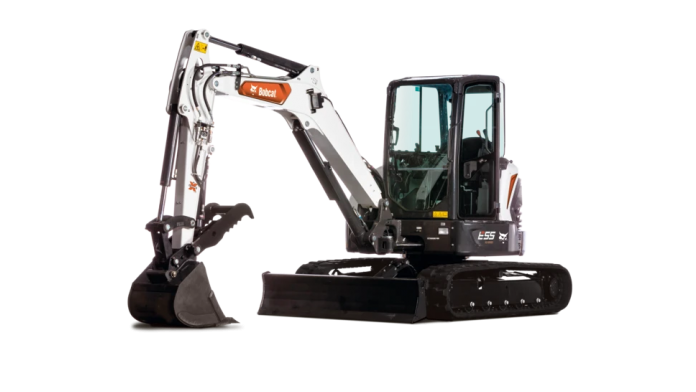
Excavator Rentals
Excavator Rental - Bobcat E55 Compact 12,000#, 6 Tons
from $ 425.00 per day
- 12,000 lbs | 6.0 Tons | 49.7 HP | 19.0 Gallons
Excavator Rentals
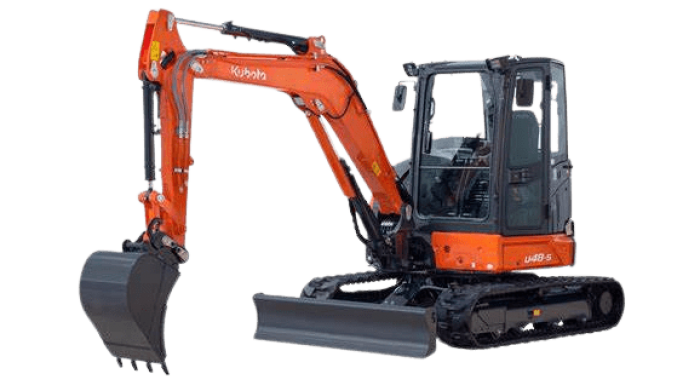
Excavator Rental - Kubota U48 Mini 11,818#, 5.91 Tons
from $ 400.00 per day
- 11,818 lbs | 5.91 Tons | 40.4 HP | 17.4 Gallons