Vibratory plate compactor rental - single direction
Products -> Compaction Equipment Rentals
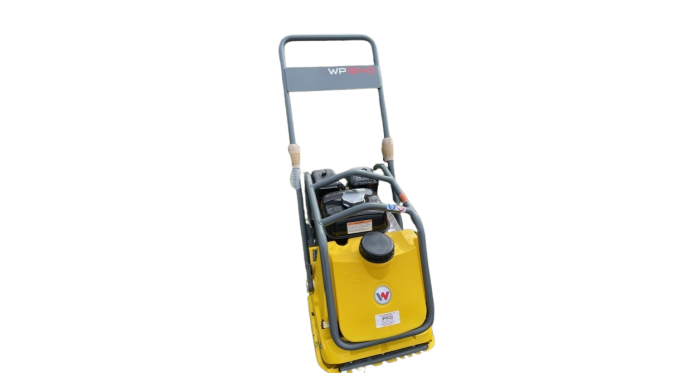
The Wacker Neuson WP1540 is a single direction vibratory plate compactor built for granular soil compaction, gravel base preparation, and asphalt patching on jobs where consistent surface density is the standard, not a target. NorthPoint Equipment Rentals carries it in the Lakes Region at our Tilton location, ready for same-day pickup when your project timeline doesn't have room to wait.
Description
The Wacker Neuson WP1540 is a single direction vibratory plate compactor built for granular soil compaction, gravel base preparation, and asphalt patching on jobs where consistent surface density is the standard, not a target. NorthPoint Equipment Rentals carries it in the Lakes Region at our Tilton location, ready for same-day pickup when your project timeline doesn't have room to wait.
The WP1540 sits in the middle of Wacker Neuson's single direction plate lineup — light enough to load solo into a pickup truck bed, heavy enough to do real compaction work on granular base material, asphalt patches, and trench backfill. It's not a walk-behind you fight. The low center of gravity and forward-travel design make it straightforward to guide in straight runs, and the vibration system is tuned for the kind of repetitive, methodical passes that actually build a solid base rather than just moving surface material around.
Wacker Neuson has been building compaction equipment long enough that the engineering details matter — the WP1540's exciter unit is mounted directly to the plate, which keeps vibration transfer efficient and reduces the energy loss you get on units where the drive system is decoupled from the baseplate. The Honda engine on this unit is the same reliable four-stroke platform you'll find across the rental industry — starts predictably, runs on regular unleaded, and doesn't require any special break-in ritual. Check the oil before you start, run it, return it.
The people renting this are typically landscapers setting paver bases, contractors compacting trench backfill after utility work, and masonry crews prepping sub-base before block or patio installation. It also gets used by homeowners tackling driveway patching and gravel apron work — it's one of the more approachable machines in the compaction equipment category because the single direction forward travel keeps the learning curve short. That said, it's still a vibrating machine with some weight behind it — first-time operators should take a pass or two to get comfortable with the pace before committing to a final lift.
Across New Hampshire, this machine works in conditions that would give lighter residential compactors problems. The rocky, variable soils north of Concord, the sandy glacial till common through the Lakes Region, the crushed gravel subbase on rural driveways — the WP1540 handles all of it without complaint as long as you're working with granular material. It's not the right tool for wet clay or cohesive soils, and it won't substitute for a jumping jack tamper in a narrow trench. For those applications, our trenching equipment page covers what does.
If you're running a larger project that calls for compaction alongside earthmoving or grading work, it's worth browsing our earthmoving equipment rentals to put together a full equipment package in one stop. NorthPoint covers job sites across central and northern New Hampshire, and contractors running multiple rentals on a project can simplify billing through our charge account application.
PRODUCT SPECIFICATIONS
| Specification | Value |
|---|---|
| Engine | Honda GX120, 4.0 HP |
| Fuel Type | Gasoline (regular unleaded) |
| Operating Weight | 154 lbs |
| Compaction Force | 3,370 lbf (15 kN) |
| Travel Speed | 82 ft/min |
| Operation | Single direction (forward) |
Fits in a standard pickup truck bed — no trailer required for most jobs. One-person operation; no CDL or special licensing needed.
USE CASES
- Compacting gravel sub-base before paver, stone, or asphalt installation
- Backfilling utility trenches in granular or mixed soil
- Patching asphalt on driveways, parking lots, and road aprons
- Prepping base material for retaining wall block and landscape edging
- Consolidating crushed gravel on rural driveway extensions and aprons
- Final compaction passes on disturbed soil around foundation perimeters
FAQ
What's the difference between this and a jumping jack tamper — can't I just use one for both jobs? They're built for different conditions. The WP1540 covers ground fast on open, granular material — paver base, gravel, asphalt. A jumping jack tamper is for narrow trenches and cohesive soils where the plate can't make full contact or where you need the impact energy directed straight down. If your job has both a trench backfill and a gravel base, you actually need both machines. Trying to use a plate compactor in a 12-inch utility trench doesn't work, and using a jumping jack on open sub-base is slow and ineffective.
How many passes does it take to properly compact a gravel base? That depends on your lift depth and material, but a standard rule is to compact in lifts no deeper than 4 to 6 inches of loose material, making at least two to three overlapping passes per lift. Trying to compact a 12-inch deep base in one go means the bottom layers aren't getting adequate force regardless of how many times you run the machine over the top. If you're not sure what your project calls for, ask us at the counter — it's a quick conversation and it'll save you from having to redo it.
Can I use this on fresh asphalt? Yes — the WP1540 is commonly used for asphalt patching and compaction on cold mix and hot mix patches. For hot mix, let the material cool slightly so it doesn't track under the plate, and avoid tight circular turns that can shear the surface. On cold mix patch jobs, the plate compactor is usually the right call — you just want consistent, overlapping passes rather than running over the same line repeatedly.
Other products
Browse some of our other products
Compaction Equipment Rentals
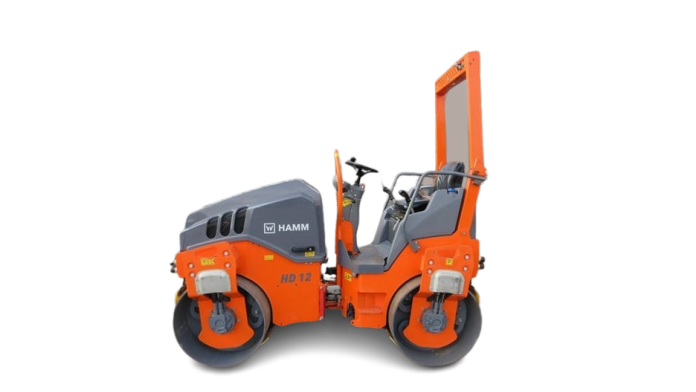
Compactor Roller Rental - 3 Ton HAMM HD12 VO Smooth Drum
from $ 400.00 per day